
What Is Sensory Integration?
Sensory integration is the way our brain takes in and organizes information from our senses. These senses include touch, sound, sight, taste, smell, and movement. For most people, the brain sorts this information easily. However, some people need extra help. Sensory integration helps the brain process these signals better. This process is important for everyone, but especially for those with autism.
Understanding Autism and Sensory Processing
Many people with autism have trouble with sensory processing. This means their brains may react too strongly or not enough to things like noise, lights, or touch. For example, a loud sound might feel painful, or a gentle hug might feel uncomfortable. Because of this, daily life can be hard. Autism sensory processing challenges can affect learning, play, and social skills. According to the CDC, these sensory issues are common in autism.
Key Benefits of Sensory Integration for Autism
Sensory integration benefits for autism are many. When therapy is used, it can help autistic individuals feel more comfortable in their world. Here are some key benefits:
Because of these benefits, sensory integration can make daily life easier for autistic individuals. The World Health Organization notes that early support can improve long-term outcomes.
How Sensory Integration Therapy Works
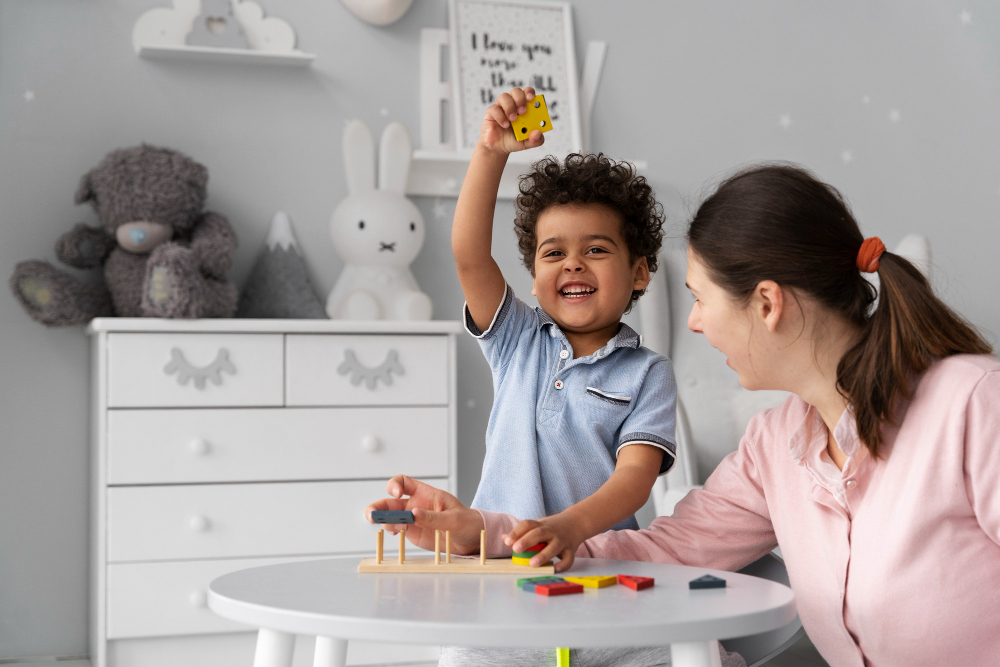
Sensory integration therapy for autism uses fun activities to help the brain process sensory information. A trained therapist guides the child through games and exercises. For example, swinging, jumping, or playing with textured objects are common. These activities are chosen to match the child’s needs. Over time, the brain learns to handle sensory input better. As a result, children may feel calmer and more in control. Therapy for autism often takes place in a safe, playful setting.
Practical Tips for Families and Caregivers
Families and caregivers play a big role in supporting sensory needs. Here are some simple tips:
With these steps, you can help improve daily life for autistic individuals. Always talk with a therapist for more ideas.
Prevention and Early Intervention
Early support can make a big difference. If you notice your child has trouble with sounds, lights, or touch, talk to a doctor. Early intervention programs can help children learn new skills sooner. According to experts, starting therapy early can lead to better results. Even simple changes at home can help prevent stress and support healthy growth.
In summary, sensory integration benefits for autism are clear. With the right support, autistic individuals can feel more comfortable and confident. Consult Ms. Kritica Mahajan to learn how sensory integration can help your loved one with autism.