Introduction
Early intervention in child development means giving help to children as soon as possible when they show signs of delay. This support can include therapy, special teaching, or family guidance. Because a child’s brain grows quickly in the first years, early help can make a big difference. In fact, experts say that starting early can improve a child’s skills and confidence. For many families, early intervention is the first step toward a brighter future.
Key Benefits of Early Intervention
Early intervention offers many benefits for children and families. For example, it can help children reach important milestones, such as talking, walking, or playing with others. Also, it can reduce the need for special help later in school. Here are some key benefits:
- Boosts language and social skills
- Improves learning and behavior
- Builds self-esteem and independence
- Supports families with advice and resources
- Helps children join in daily activities
Because early childhood therapy is tailored to each child, it can address unique needs. As a result, children often show faster progress.
Signs That a Child May Need Early Intervention
Sometimes, it is hard to know if a child needs extra help. However, there are signs parents and caregivers can watch for. If you notice any of these, consider talking to a specialist:
- Not smiling or making eye contact by 3 months
- Not babbling or using gestures by 12 months
- Not walking by 18 months
- Not speaking simple words by 2 years
- Struggles to play with others or follow simple directions
Additionally, if a child loses skills they once had, it is important to seek help. Early action can lead to better outcomes.
How Early Intervention Works
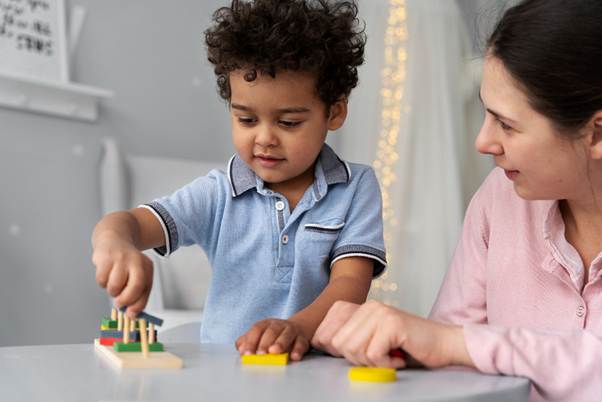
Early intervention is a step-by-step process. First, a team assesses the child’s strengths and needs. This may include watching the child play, talking with parents, and using simple tests. Next, the team creates a plan with clear goals. This plan may include:
- Speech or language therapy
- Physical or occupational therapy
- Special teaching at home or in a center
- Family training and support
Because every child is different, the plan is unique for each family. Therapists and teachers work closely with parents to track progress and adjust the plan as needed.
Success Stories and Evidence
Many studies show the benefits of early intervention in child development. For example, the Centers for Disease Control and Prevention (CDC) reports that children who get early help are more likely to reach their full potential. The World Health Organization (WHO) also says that early support can improve learning, health, and social skills. In one study, children who received early therapy showed better language and thinking skills than those who did not. These results highlight the power of starting early.
Tips for Parents and Caregivers
Parents and caregivers play a key role in a child’s growth. Here are some tips to support your child’s development:
- Watch for important milestones
- Talk, read, and play with your child every day
- Ask questions if you notice delays
- Work closely with teachers and therapists
- Use local resources and support groups
Remember, you know your child best. If you have concerns, trust your instincts and seek help early.
Prevention and Long-Term Impact
Early intervention does more than help children catch up. It can also prevent bigger problems later. For instance, children who get help early may need fewer special services in school. They may also have better friendships and stronger self-esteem. Over time, these gains can lead to happier, healthier lives. Because early support shapes the brain, it sets the stage for lifelong learning and success.
Reach out to us for more information
Early intervention in child development can change a child’s journey for the better. By acting early, families give children the best chance to grow and thrive. If you have questions or concerns, consult We Care Holistic Centre for Children for personalized guidance on early child development and intervention.