Introduction
Many children feel worried or stressed at times. However, when these feelings become too strong, they may need extra help. Play therapy for anxiety is a special way to help children cope with stress. In this approach, children use play to express their feelings and learn new ways to handle worries. According to the American Psychological Association, play therapy is a proven method for childhood anxiety treatment. It is safe, gentle, and designed just for kids.
Symptoms of Anxiety in Children
Children may not always say they feel anxious. Instead, they show signs in other ways. For example, you might notice:
Sometimes, these signs can be mild. But, if they last for weeks or get worse, it may be time to seek help.
Causes of Anxiety in Children
There are many reasons why a child may feel anxious. Often, it is a mix of factors. For instance, some common causes include:
Although every child is different, knowing the cause can help guide the right support.
How Play Therapy Works for Anxiety
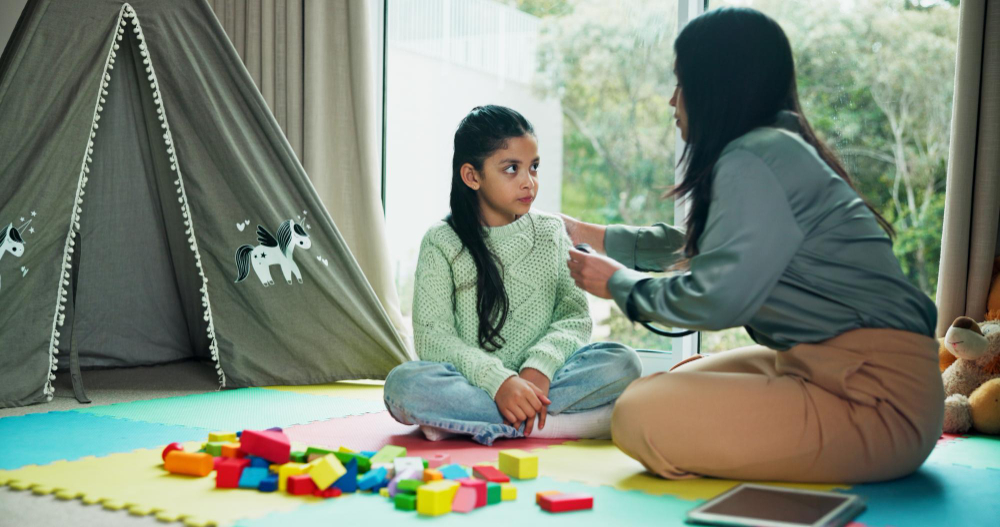
Play therapy for anxiety uses toys, games, and art to help children share their feelings. Instead of talking directly, children act out their worries through play. This makes it easier for them to open up. In each session, a trained therapist guides the child. For example, the therapist may use dolls, drawings, or sand trays. As a result, children learn to name their feelings and find healthy ways to cope. The Centers for Disease Control and Prevention (CDC) notes that play therapy is especially helpful for young children who cannot express themselves with words.
Benefits of Play Therapy
Play therapy offers many benefits for children with anxiety. Not only does it help children feel safe, but it also teaches them new skills. Some key benefits include:
Because play is natural for children, they often enjoy these sessions and look forward to them.
Steps Involved in Play Therapy Sessions
Each play therapy session follows a simple process. While every child is unique, most sessions include these steps:
Sessions usually last 30 to 50 minutes. Over time, children learn to manage their anxiety in healthy ways.
Tips for Parents and Caregivers
Parents and caregivers play a big role in helping children cope with stress. Here are some helpful tips:
Above all, let your child know you are there for them.
Prevention and Lifestyle Guidance
Although anxiety cannot always be prevented, healthy habits can lower stress. For example, you can:
When families work together, children feel more secure and confident.
Conclusion
In summary, play therapy for anxiety is a gentle and effective way to help children cope with stress. If your child shows signs of anxiety, early support can make a big difference. Consult a qualified mental health professional Dr. Kritica Mahajan for personalized guidance.