
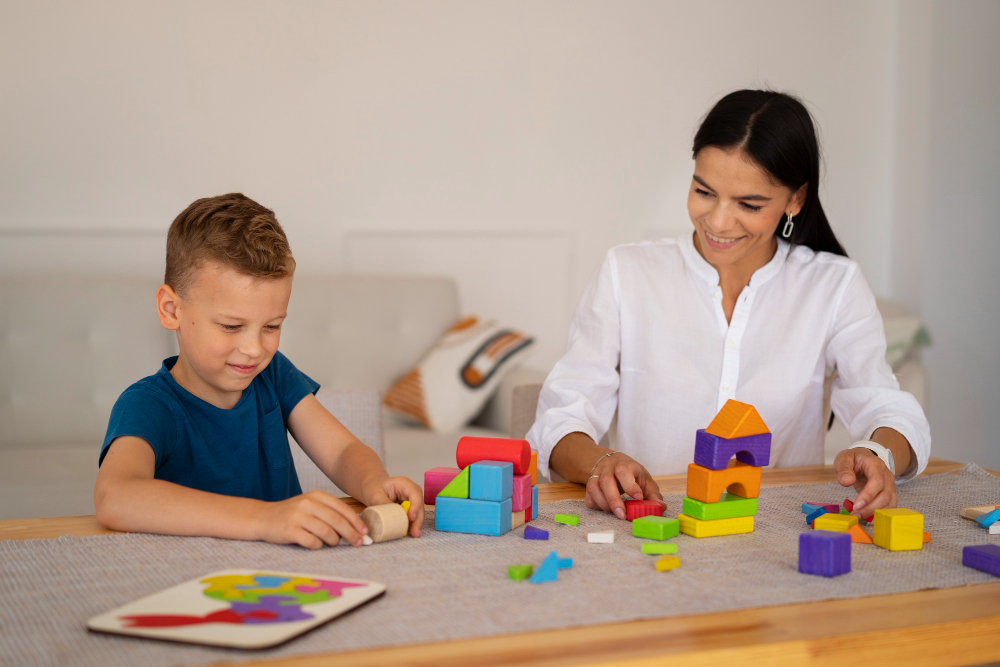
What is Occupational Therapy for Children?
Occupational therapy for children helps kids learn important skills for daily life. It supports children who have trouble with tasks like dressing, playing, or writing. Many parents want to know about the different types of occupational therapy for children. Each type focuses on helping kids grow, learn, and become more independent. Occupational therapists use special activities to help children reach their full potential.
Why Do Children Need Occupational Therapy?
Some children face challenges with movement, learning, or behavior. For example, a child may struggle to hold a pencil or follow instructions. Because of these challenges, they may need extra support. Occupational therapy can help children with conditions like autism, ADHD, cerebral palsy, or developmental delays. However, even children without a diagnosis can benefit if they have trouble with daily tasks. Early help can make a big difference in a child’s life.
Main Types of Occupational Therapy for Children
There are several main types of occupational therapy for children. Each type uses different pediatric occupational therapy techniques. Here are some common types:
How Occupational Therapy Helps Children
Occupational therapy helps children in many ways. First, it builds confidence by teaching new skills. Next, it supports child development therapy by improving movement, thinking, and social skills. Because therapy is fun and playful, children often enjoy the activities. Over time, kids become more independent at home and school. As a result, they may do better in class and feel happier with friends.
Choosing the Right Occupational Therapy
Every child is unique, so therapy should match their needs. Parents can talk with a licensed occupational therapist to find the best approach. Sometimes, a child may need more than one type of therapy. For example, a child with autism may benefit from both sensory integration and social skills training. Always choose a therapist with experience in pediatric care.
Tips for Parents and Caregivers
Parents and caregivers play a key role in therapy. Here are some helpful tips:
Prevention and Early Intervention
Early help can prevent bigger problems later. If you notice your child struggling with daily tasks, seek advice soon. Early intervention can improve skills and make life easier for your child. Because therapy is most effective when started early, do not wait to ask for help. Pediatric occupational therapy techniques can support your child’s growth from a young age.
For personalized guidance on occupational therapy for your child, consult Kritica Mahajan at We Care Holistic Centre for Children for expert evaluation and tailored care.