Introduction
Play therapy in children’s mental health is a proven way to help kids express feelings and solve problems. Many children find it hard to talk about their emotions. However, play gives them a safe space to share. Because of this, play therapy is important for children who face emotional or behavioral challenges. In fact, experts like the World Health Organization (WHO) and the Centers for Disease Control and Prevention (CDC) support play therapy as a helpful tool for child mental health support.
What is Play Therapy?
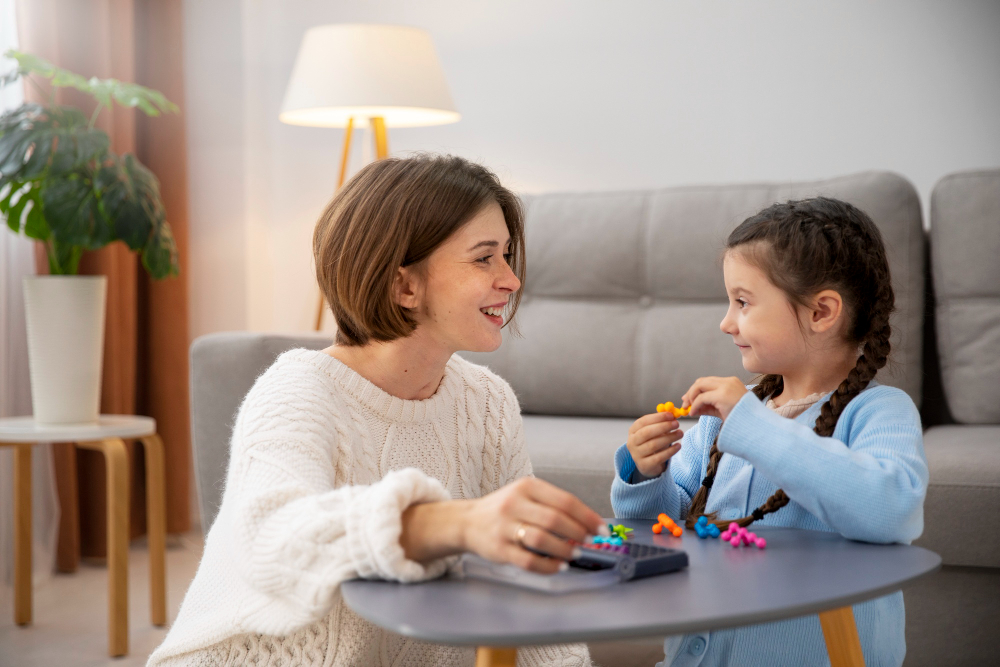
Play therapy is a special type of counseling for children. Instead of talking, kids use toys, games, and art to show how they feel. For example, a child might use dolls to act out a story. This helps therapists understand what the child is going through. Play therapy is led by trained professionals who know how to guide children in a safe way. As a result, children can work through tough feelings without using words.
Why Play Therapy Matters for Children
Children often do not have the words to explain their feelings. Therefore, play therapy gives them another way to communicate. It helps children feel heard and understood. In addition, play therapy builds trust between the child and the therapist. This trust is key for healing. When children feel safe, they are more likely to open up. Because of this, play therapy is a vital part of child mental health support.
Common Mental Health Challenges Addressed by Play Therapy
Play therapy can help with many mental health issues. Some common challenges include:
Because play therapy is flexible, it can be used for children of different ages and needs. According to the American Psychological Association, play therapy is effective for many childhood concerns.
How Play Therapy Works: Methods and Approaches
There are several ways play therapy helps kids. Some common methods include:
Each approach is chosen based on the child’s needs. Sometimes, therapists also include parents in sessions. This helps families learn how to support their child at home.
Benefits of Play Therapy for Children and Families
Play therapy offers many benefits for children and their families. For example, it can:
Because of these benefits, play therapy is often recommended for children facing emotional or behavioral challenges. Studies in peer-reviewed psychology journals show that play therapy leads to better outcomes for many kids.
How to Access Play Therapy Services
Finding play therapy services near you can be simple. First, ask your child’s doctor or school counselor for recommendations. Many mental health clinics offer play therapy. In addition, some private therapists specialize in this approach. You can also search online for “play therapy services near you.” Make sure the therapist is trained and licensed to work with children. If you have health insurance, check if play therapy is covered.
Tips for Parents: Supporting Your Child’s Mental Health
Parents play a big role in their child’s mental health. Here are some tips to help:
Above all, remember that early support can make a big difference in your child’s well-being.
Conclusion
In summary, play therapy in children’s mental health is a powerful tool. It helps kids express feelings, solve problems, and build confidence. If you think your child could benefit, consult We Care Holistic Centre for Children for personalized guidance.